
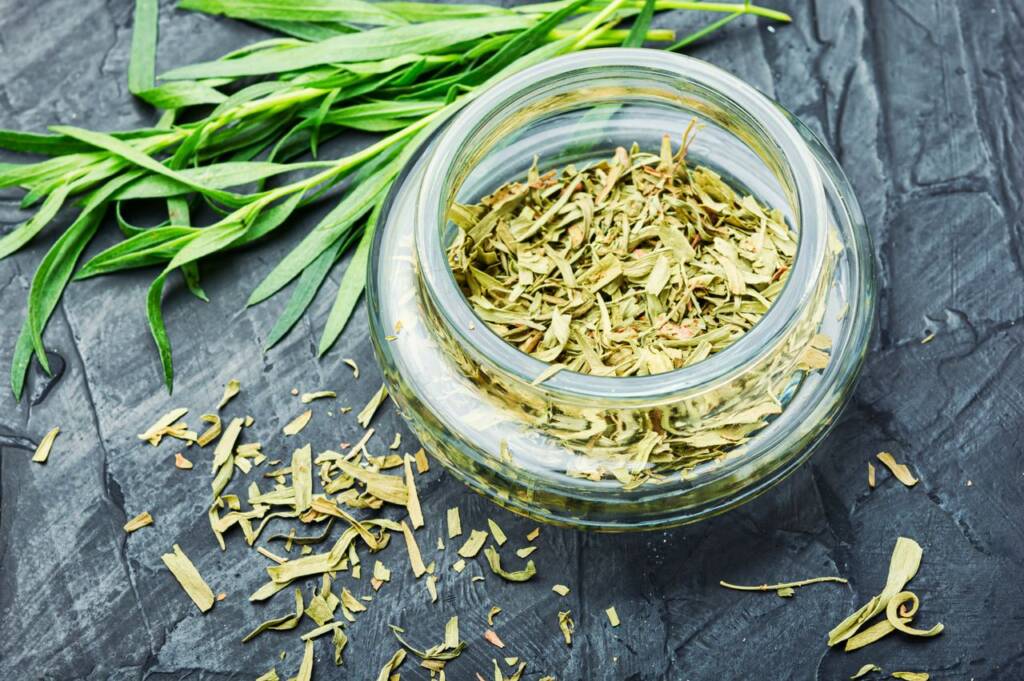
Discover the comprehensive benefits and potential side effects of tarragon. Learn how this flavorful herb can improve digestion, boost heart health, aid sleep, and more, while being mindful of its possible risks.
Tarragon, scientifically known as Artemisia dracunculus, is a perennial herb belonging to the sunflower family. Known for its distinctive flavor, reminiscent of anise and vanilla, tarragon is widely used in culinary applications, particularly in French cuisine. However, beyond its culinary uses, tarragon is also recognized for its numerous health benefits and potential side effects. This article delves deep into the benefits and side effects of tarragon, offering a comprehensive understanding of this versatile herb.
Nutritional Profile of Tarragon
Tarragon is packed with essential vitamins and minerals that contribute to its health benefits. Here’s a closer look at its nutritional profile:
- Vitamins: Tarragon is rich in vitamins A, C, and B6. Vitamin A is essential for eye health, while vitamin C boosts the immune system, and B6 is crucial for brain health.
- Minerals: This herb contains significant amounts of calcium, magnesium, iron, and potassium. These minerals support bone health, muscle function, and cardiovascular health.
- Antioxidants: Tarragon is high in antioxidants, which help combat oxidative stress and reduce the risk of chronic diseases.
Health Benefits of Tarragon
1. Digestive Health
Tarragon has been traditionally used to improve digestion. Its natural compounds stimulate the production of bile by the liver, aiding in the digestion of fats. Additionally, tarragon can help alleviate common digestive issues like bloating and indigestion.
2. Appetite Stimulation
For those experiencing loss of appetite, tarragon can be a natural remedy. The herb contains eugenol, a compound that helps stimulate appetite and can be particularly beneficial for individuals recovering from illness or those with eating disorders.
3. Antimicrobial Properties
The essential oils in tarragon have potent antimicrobial properties. Studies have shown that these oils can help fight off harmful bacteria and fungi, making tarragon a useful herb for preventing infections and maintaining overall health.
4. Anti-Inflammatory Effects
Tarragon contains compounds that exhibit anti-inflammatory properties. Regular consumption of tarragon can help reduce inflammation in the body, which is beneficial for conditions like arthritis and other inflammatory diseases.
5. Heart Health
The potassium content in tarragon helps regulate blood pressure, contributing to heart health. Additionally, the antioxidants present in the herb help reduce oxidative stress, further protecting the heart from damage.
6. Pain Relief
Tarragon has been used in traditional medicine as a natural pain reliever. Its analgesic properties can help alleviate pain from conditions such as osteoarthritis and rheumatism.
7. Sleep Aid
For those struggling with insomnia or other sleep disorders, tarragon can offer relief. The herb has mild sedative properties that help promote relaxation and improve sleep quality.
Potential Side Effects of Tarragon
While tarragon offers numerous health benefits, it’s essential to be aware of its potential side effects, especially when consumed in large quantities or used as an essential oil.
1. Allergic Reactions
Some individuals may experience allergic reactions to tarragon, particularly those allergic to other plants in the Asteraceae family, such as ragweed, marigolds, and daisies. Symptoms of an allergic reaction include itching, swelling, and difficulty breathing.
2. Bleeding Disorders
Tarragon contains coumarin, a compound that can thin the blood. Individuals with bleeding disorders or those taking anticoagulant medications should consult with a healthcare provider before consuming tarragon, as it may increase the risk of bleeding.
3. Pregnancy and Breastfeeding
Pregnant and breastfeeding women are advised to avoid large amounts of tarragon, particularly tarragon essential oil, as it may have adverse effects on pregnancy and lactation.
4. Potential Toxicity
When used in excessive amounts, tarragon essential oil can be toxic due to the presence of estragole, a compound that has been linked to cancer in animal studies. It’s crucial to use tarragon essential oil with caution and under the guidance of a healthcare professional.
5. Interactions with Medications
Tarragon can interact with certain medications, including blood thinners and diabetes medications. It’s important to consult with a healthcare provider before adding tarragon to your diet if you are on medication.
Culinary Uses of Tarragon
Tarragon is a staple in French cuisine and is one of the four fines herbes, along with parsley, chives, and chervil. Here are some common culinary uses:
- Salad Dressings: Tarragon adds a unique flavor to vinaigrettes and salad dressings.
- Sauces: It’s a key ingredient in Béarnaise sauce and pairs well with fish and chicken dishes.
- Herb Butters: Tarragon can be mixed with butter to create a flavorful herb butter for meats and vegetables.
- Marinades: Its distinctive flavor enhances marinades for poultry, fish, and lamb.
- Soups and Stews: Tarragon can be added to soups and stews for an aromatic touch.
Frequently Asked Questions about Tarragon
Q – What are the main health benefits of tarragon?
Ans – Tarragon offers numerous health benefits, including improved digestion, reduced inflammation, better sleep quality, enhanced heart health, and potential blood sugar regulation. Its antioxidants also help combat free radicals in the body.
Q – Are there any side effects associated with consuming tarragon?
Ans – While tarragon is generally safe for most people when consumed in culinary amounts, excessive intake can lead to potential side effects such as mild allergic reactions or, in rare cases, liver toxicity due to the presence of estragole. It’s advisable to consume tarragon in moderation.
Q – Can tarragon be used during pregnancy?
Ans – It’s best to avoid tarragon in medicinal amounts during pregnancy, as high doses may have effects that could be harmful. Always consult with a healthcare provider before using any herbs during pregnancy.
Q – How can tarragon be incorporated into my diet?
Ans – Tarragon can be used fresh or dried in a variety of dishes. It pairs well with chicken, fish, and egg dishes, and is often used in sauces, salad dressings, and marinades. Tarragon vinegar is also a popular way to add its distinct flavor to recipes.
Q – Is there a difference between French tarragon and Russian tarragon?
Ans – Yes, there is a notable difference. French tarragon (Artemisia dracunculus) is prized for its superior flavor and is commonly used in culinary applications. Russian tarragon (Artemisia dracunculoides), while similar in appearance, has a more bitter taste and is less commonly used in cooking.
See Also – Planting Creeping Thyme Seeds: A Comprehensive Guide for a Thriving Garden
See Also – What to Do with Fresh Oregano Leaves
See Also – How to Make Rosemary Water for Hair from Fresh Rosemary