
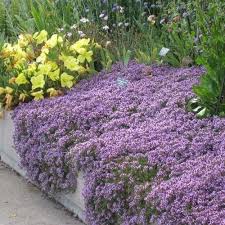
Creeping thyme, also known as Thymus serpyllum, is a versatile and attractive ground cover that offers numerous benefits for gardeners. This low-growing herb is not only aesthetically pleasing but also highly functional, providing a fragrant and hardy addition to any landscape. In this comprehensive guide, we delve into the detailed process of planting creeping thyme seeds, ensuring your garden thrives with this delightful plant.
Understanding Creeping Thyme
Characteristics of Creeping Thyme
Creeping thyme is a perennial herb that belongs to the mint family. It is known for its dense, mat-forming growth habit, which makes it an excellent ground cover. The plant features small, aromatic leaves and produces clusters of tiny, tubular flowers in shades of pink, purple, or white. These flowers attract pollinators such as bees and butterflies, enhancing the biodiversity of your garden.
Benefits of Planting Creeping Thyme
- Low Maintenance: Creeping thyme requires minimal care once established, making it ideal for busy gardeners.
- Drought Tolerant: This herb is highly resistant to drought, reducing the need for frequent watering.
- Erosion Control: Its dense growth helps prevent soil erosion, making it suitable for slopes and hillsides.
- Versatile Use: Creeping thyme can be used as a ground cover, in rock gardens, between stepping stones, or as an ornamental edging plant.
- Fragrant and Edible: The leaves are aromatic and can be used in culinary dishes, providing both beauty and functionality.
Preparing for Planting
Selecting the Right Location
Choosing the appropriate location for planting creeping thyme seeds is crucial for successful growth. Consider the following factors:
- Sunlight: Creeping thyme thrives in full sun but can tolerate partial shade. Aim for at least 6 hours of direct sunlight per day.
- Soil: This herb prefers well-drained soil with a pH level between 6.0 and 8.0. Sandy or loamy soils are ideal.
- Drainage: Ensure the planting area has good drainage to prevent waterlogging, which can lead to root rot.
Soil Preparation
Preparing the soil before planting is essential for healthy seed germination and plant growth. Follow these steps:
- Clear the Area: Remove any weeds, rocks, or debris from the planting site to reduce competition for nutrients.
- Loosen the Soil: Use a garden fork or tiller to loosen the top 6-8 inches of soil. This improves aeration and root penetration.
- Amend the Soil: Incorporate organic matter, such as compost or well-rotted manure, to enhance soil fertility and drainage.
- Level the Surface: Rake the soil to create a smooth, even surface for planting.
Planting Creeping Thyme Seeds
Timing for Planting
The best time to plant creeping thyme seeds is in the spring, after the last frost has passed. This allows the seeds to germinate and establish roots before the onset of hot summer temperatures.
Sowing the Seeds
- Seed Preparation: Creeping thyme seeds are tiny and may benefit from mixing with sand to facilitate even distribution during sowing.
- Sowing Depth: Scatter the seeds lightly over the prepared soil surface. Do not cover them with more than 1/8 inch of soil, as they need light to germinate.
- Spacing: Aim for a spacing of 12-18 inches between plants to allow for their spreading growth habit.
Watering and Germination
- Initial Watering: After sowing, water the area gently but thoroughly to settle the seeds into the soil.
- Consistent Moisture: Keep the soil consistently moist until germination occurs, which typically takes 14-21 days.
- Avoid Overwatering: Once the seedlings emerge, reduce watering frequency. Creeping thyme is drought-tolerant and prefers slightly dry conditions.
Caring for Creeping Thyme
Watering Practices
- Established Plants: Once established, creeping thyme requires minimal watering. Water deeply but infrequently, allowing the soil to dry out between waterings.
- Drought Conditions: During prolonged dry spells, increase watering frequency to maintain plant health.
Fertilization
- Initial Growth: Incorporate a balanced, slow-release fertilizer into the soil at planting time to support initial growth.
- Annual Feeding: Apply a light application of organic fertilizer or compost in the spring to promote vigorous growth and flowering.
Pruning and Maintenance
- Regular Pruning: Trim the plants back lightly after flowering to encourage a compact growth habit and prevent legginess.
- Weed Control: Keep the planting area free of weeds, which can compete with creeping thyme for nutrients and water.
Pest and Disease Management
- Pests: Creeping thyme is relatively pest-resistant. However, monitor for common garden pests such as aphids and spider mites. Use insecticidal soap or neem oil if infestations occur.
- Diseases: Ensure good air circulation around the plants to prevent fungal diseases. Avoid overhead watering to reduce the risk of leaf spot and root rot.
Propagating Creeping Thyme
Division Method
- Timing: Divide creeping thyme plants in the spring or early fall when the weather is mild.
- Process: Dig up the plant and gently separate the root ball into smaller sections. Replant the divisions in prepared soil and water thoroughly.
Cuttings Method
- Timing: Take cuttings in late spring or early summer.
- Process: Cut 3-4 inch stems from healthy plants. Remove the lower leaves and dip the cut end in rooting hormone. Plant the cuttings in a well-draining potting mix and keep them moist until roots develop.
Creative Uses for Creeping Thyme
Ground Cover and Landscaping
- Pathways and Borders: Plant creeping thyme between stepping stones or along garden paths for a fragrant and visually appealing ground cover.
- Rock Gardens: Its low-growing habit makes it ideal for rock gardens, where it can cascade over rocks and add texture.
Culinary Uses
- Herbal Tea: Use fresh or dried leaves to make a soothing herbal tea.
- Seasoning: Add creeping thyme leaves to soups, stews, and marinades for a flavorful twist.
See Also – Moringa and Lemongrass Tea Benefits for Weight Loss
See Also – What to Do with Fresh Basil from the Kitchen Garden
See Also – The Health Benefits of Homemade Ginger Shots