
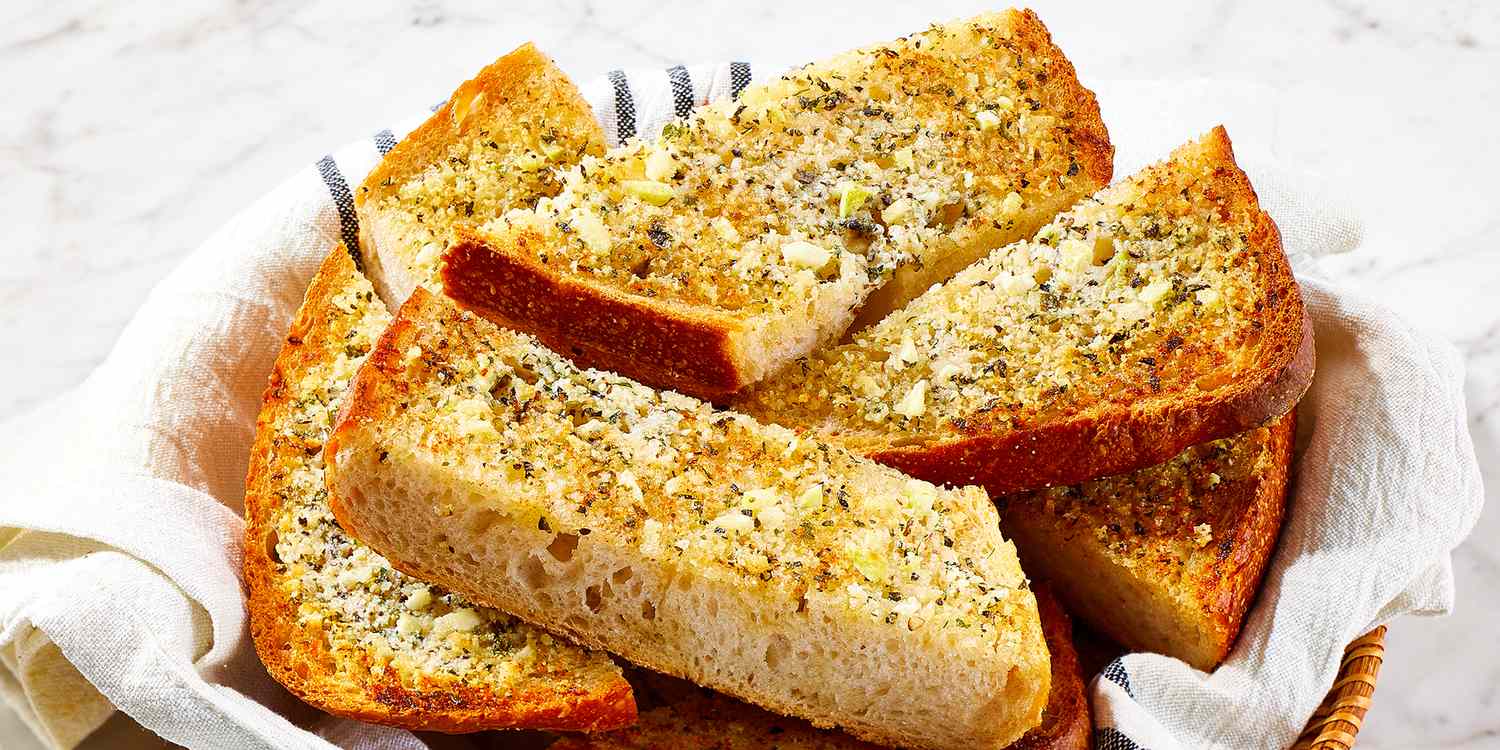
Learn how to make delicious garlic bread with regular bread without using an oven. Follow our step-by-step process to create the perfect garlic bread using simple ingredients and a skillet.
Garlic bread is a universally loved side dish that complements a variety of meals, from pasta to soups. While traditionally baked in an oven, it’s entirely possible to make delicious garlic bread using regular bread and alternative cooking methods. In this guide, we’ll walk you through the process of creating mouthwatering garlic bread without an oven, using simple ingredients and tools you likely already have in your kitchen.
Ingredients Needed
To start, gather the following ingredients:
- 4 slices of regular bread (white, whole wheat, or any preferred type)
- 3 tablespoons of butter (softened)
- 3 cloves of garlic (minced)
- 1 tablespoon of fresh parsley (chopped)
- 1/2 teaspoon of garlic powder (optional, for extra flavor)
- Salt to taste
- 1/4 cup of grated Parmesan cheese (optional)
Tools Required
Ensure you have these tools ready:
- Skillet or frying pan
- Mixing bowl
- Butter knife or spatula
- Garlic press or fine grater
Step-by-Step Instructions
Step 1: Prepare the Garlic Butter Mixture
In a mixing bowl, combine the softened butter, minced garlic, chopped parsley, garlic powder (if using), and a pinch of salt. Mix well until all ingredients are evenly incorporated. This garlic butter mixture is the key to infusing your bread with rich, garlicky flavor.
Step 2: Spread the Garlic Butter
Using a butter knife or spatula, generously spread the garlic butter mixture on one side of each slice of bread. Make sure to cover the entire surface for maximum flavor.
Step 3: Heat the Skillet
Place a skillet or frying pan on the stove over medium heat. Allow it to heat up for a couple of minutes. If your pan tends to stick, you can lightly grease it with a small amount of butter or oil.
Step 4: Toast the Bread
Place the slices of bread, buttered side down, onto the hot skillet. Toast the bread for about 2-3 minutes, or until the buttered side turns golden brown and crispy. Keep a close eye on the bread to prevent burning.
Step 5: Flip and Toast the Other Side
Once the buttered side is perfectly toasted, flip the slices over using a spatula. Toast the other side for an additional 1-2 minutes, or until it reaches your desired level of crispiness.
Step 6: Add Parmesan Cheese (Optional)
If you’re using Parmesan cheese, sprinkle a bit on top of the bread after flipping it. Allow the cheese to melt slightly while the other side toasts.
Step 7: Serve and Enjoy
Remove the garlic bread from the skillet and place it on a serving plate. Allow it to cool for a minute before serving. Enjoy your homemade garlic bread with your favorite main dishes or as a delicious snack on its own.
Tips for Perfect Garlic Bread
Choose the Right Bread
While regular white bread works well, you can experiment with different types of bread to suit your taste. Whole wheat, sourdough, or even baguette slices can add unique textures and flavors to your garlic bread.
Adjust the Garlic Intensity
If you prefer a milder garlic flavor, reduce the amount of minced garlic. Conversely, if you’re a garlic lover, feel free to add an extra clove or two.
Herb Variations
While parsley is a classic choice, you can also use other fresh herbs like basil, oregano, or thyme to add different flavor profiles to your garlic bread.
Cheesy Garlic Bread
For a cheesy twist, add a mix of grated mozzarella and Parmesan cheese on top of the bread before toasting. The cheese will melt and create a gooey, delicious topping.
Garlic Butter in Advance
You can prepare the garlic butter mixture in advance and store it in the refrigerator. This way, you can quickly make garlic bread whenever you crave it.
Serving Suggestions
Garlic bread is incredibly versatile and pairs well with a variety of dishes. Here are some serving suggestions:
- Pasta Dishes: Serve garlic bread alongside spaghetti, lasagna, or Alfredo pasta for a classic combination.
- Soups and Stews: Garlic bread is perfect for dipping into hearty soups and stews, adding a flavorful crunch.
- Salads: Complement fresh salads with slices of garlic bread to create a balanced meal.
- Appetizers: Cut garlic bread into smaller pieces and serve as an appetizer with dipping sauces like marinara or pesto.
See Also – Is Lemongrass Oil Safe for Dogs and Cats to Smell?
See Also – How to Dry Fresh Basil Leaves in the Microwave Oven
See Also – What to Do with Fresh Basil from the Kitchen Garden
FAQs About Making Garlic Bread with Regular Bread Without an Oven
Q – Can I use any type of bread for making garlic bread without an oven?
Ans – Yes, you can use any type of bread, such as white, whole wheat, sourdough, or baguette slices. Each type will bring a unique texture and flavor to your garlic bread.
Q – Is it necessary to use fresh garlic, or can I use garlic powder instead?
Ans – Fresh garlic provides a more robust flavor, but you can use garlic powder if fresh garlic is unavailable. Adjust the amount to your taste preference, usually around 1/2 teaspoon of garlic powder per clove of garlic.
Q – How do I prevent the bread from burning in the skillet?
Ans – Use medium heat and keep a close eye on the bread while it toasts. If your skillet tends to stick, lightly grease it with a small amount of butter or oil before adding the bread.
Q – Can I prepare the garlic butter mixture in advance?
Ans – Yes, you can make the garlic butter mixture ahead of time and store it in the refrigerator for up to a week. This way, you can quickly prepare garlic bread whenever you want.
Q – What are some alternative herbs I can use besides parsley?
Ans – You can experiment with other fresh herbs such as basil, oregano, thyme, or rosemary to add different flavor profiles to your garlic bread. Each herb will bring its unique taste to the dish.