
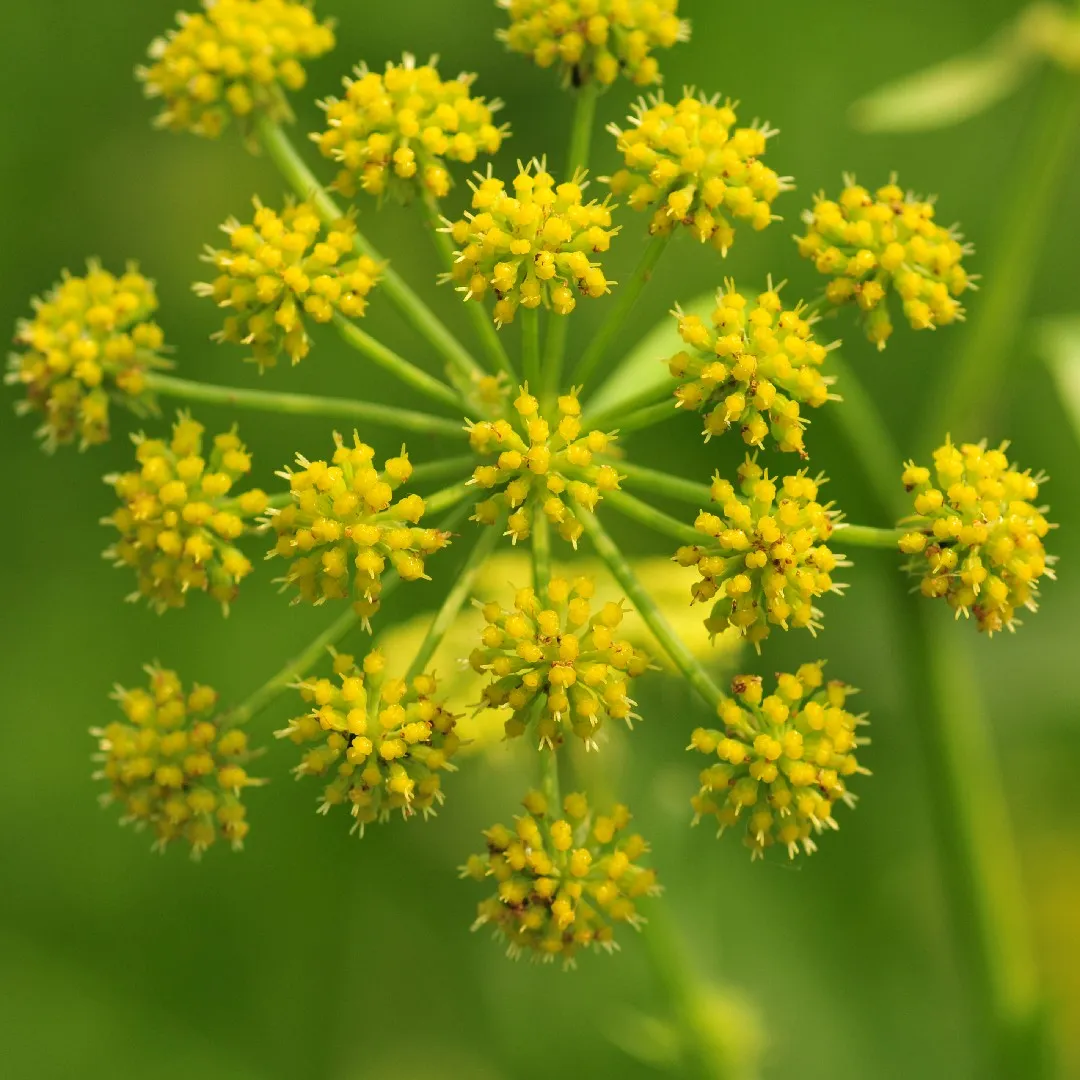
Learn how to grow lovage and care for this versatile herb Lovage Plant. Discover tips on location, soil preparation, planting, watering, fertilizing, pruning, pest management, and overwintering to ensure a healthy and productive lovage plant in your garden.
Lovage (Levisticum officinale) is a perennial herb that is prized for its culinary and medicinal uses. It is known for its robust growth and versatility in the garden. Growing and caring for lovage plant can be a rewarding experience, as it not only enhances your garden’s diversity but also provides a steady supply of flavorful and beneficial leaves. In this detailed guide, we will walk you through everything you need to know about how to grow and care for the lovage plant.
Choosing the Right Location
Lovage prefers a sunny location with partial shade in the hottest part of the day. The plant thrives in well-drained soil with a pH level between 6.5 and 7.5. Ensuring the right location will help your lovage plant grow strong and healthy.
Soil Preparation
Proper soil preparation is crucial for the successful growth of lovage. Start by tilling the soil to a depth of about 12 inches to ensure it is loose and well-aerated. Add compost or well-rotted manure to enrich the soil with organic matter. This improves soil fertility and promotes better root development.
Planting Lovage
From Seeds:
- Sow Seeds Indoors: Begin by sowing lovage seeds indoors about 6-8 weeks before the last expected frost. Plant the seeds about 1/4 inch deep in seed-starting trays filled with a quality potting mix.
- Transplanting: Once the seedlings have developed a few true leaves and the risk of frost has passed, transplant them outdoors. Space the plants about 18-24 inches apart to allow ample room for growth.
From Transplants:
- Purchase Transplants: Alternatively, you can purchase lovage transplants from a nursery. These can be directly planted into the garden after the last frost.
- Planting: Dig a hole slightly larger than the root ball of the transplant, place the plant in the hole, and backfill with soil. Water thoroughly after planting.
Watering Requirements
Lovage requires consistent moisture to thrive. Water the plants deeply once a week, ensuring the soil remains moist but not waterlogged. Mulching around the base of the plants can help retain soil moisture and reduce the frequency of watering.
Fertilizing Lovage
Fertilizing lovage is important to support its vigorous growth. Apply a balanced fertilizer, such as a 10-10-10 formula, in early spring as new growth begins. Repeat fertilization once or twice during the growing season to maintain nutrient levels in the soil.
Pruning and Harvesting
Pruning:
Regular pruning helps maintain the shape and health of the lovage plant. Trim back any dead or damaged stems and remove flower stalks to encourage the growth of new leaves. Pruning also prevents the plant from becoming too leggy.
Harvesting:
- Leaves: Begin harvesting lovage leaves once the plant is established and has a robust growth. Snip the outer leaves first, leaving the inner leaves to continue growing. Fresh lovage leaves can be used in cooking or dried for later use.
- Seeds: Lovage seeds can be harvested once the seed heads turn brown. Cut the seed heads and allow them to dry completely before storing.
Pest and Disease Management
Lovage is relatively pest-resistant, but it can still be affected by common garden pests and diseases. Here are some tips for managing these issues:
Common Pests:
- Aphids: These small insects can be controlled by spraying the plant with a mixture of water and mild soap. Regular monitoring and early intervention are key.
- Leaf Miners: These pests create tunnels in the leaves. Remove and destroy affected leaves to prevent the spread.
Diseases:
- Powdery Mildew: This fungal disease appears as a white powdery coating on leaves. To prevent it, ensure good air circulation around the plants and avoid overhead watering.
- Root Rot: Ensure the soil is well-drained to prevent root rot, which is caused by excessive moisture.
Overwintering Lovage
Lovage is a hardy perennial that can withstand cold temperatures. However, in areas with severe winters, it is advisable to provide some protection. Mulch heavily around the base of the plant to insulate the roots and consider covering the plant with a frost cloth during extreme cold spells.
Companion Planting
Lovage makes an excellent companion plant in the garden. It attracts beneficial insects such as ladybugs and bees, which help pollinate other plants and control pests. Plant lovage alongside vegetables like tomatoes, carrots, and potatoes to improve their growth and flavor.
FAQs
Q – What are the ideal growing conditions for lovage?
Ans – Lovage thrives in a sunny location with partial shade during the hottest part of the day. It prefers well-drained soil with a pH level between 6.5 and 7.5. Consistent moisture and good soil fertility are also important for optimal growth.
Q – How do I plant lovage from seeds?
Ans – To plant lovage from seeds, start by sowing them indoors about 6-8 weeks before the last expected frost. Plant the seeds 1/4 inch deep in seed-starting trays filled with a quality potting mix. Once the seedlings have a few true leaves and the risk of frost has passed, transplant them outdoors, spacing them 18-24 inches apart.
Q – How often should I water and fertilize lovage?
Ans – Water lovage deeply once a week, ensuring the soil remains moist but not waterlogged. Mulching around the base helps retain moisture. Fertilize lovage in early spring with a balanced fertilizer, such as a 10-10-10 formula, and repeat once or twice during the growing season.
Q – What are common pests and diseases that affect lovage?
Ans – Common pests include aphids and leaf miners. Aphids can be controlled with a mixture of water and mild soap, while affected leaves should be removed and destroyed to manage leaf miners. Diseases include powdery mildew, preventable with good air circulation and proper watering, and root rot, avoidable with well-drained soil.
Q – How do I harvest and use lovage?
Ans – Harvest lovage leaves once the plant is established and has robust growth. Snip the outer leaves, leaving the inner ones to continue growing. Lovage leaves can be used fresh in cooking or dried for later use. Seeds can be harvested once the seed heads turn brown, then dried and stored.
See Also – Green Onions vs Chives on Baked Potato Nutrition
See Also – Russian Blue Sage Plant Benefits and Side Effects