
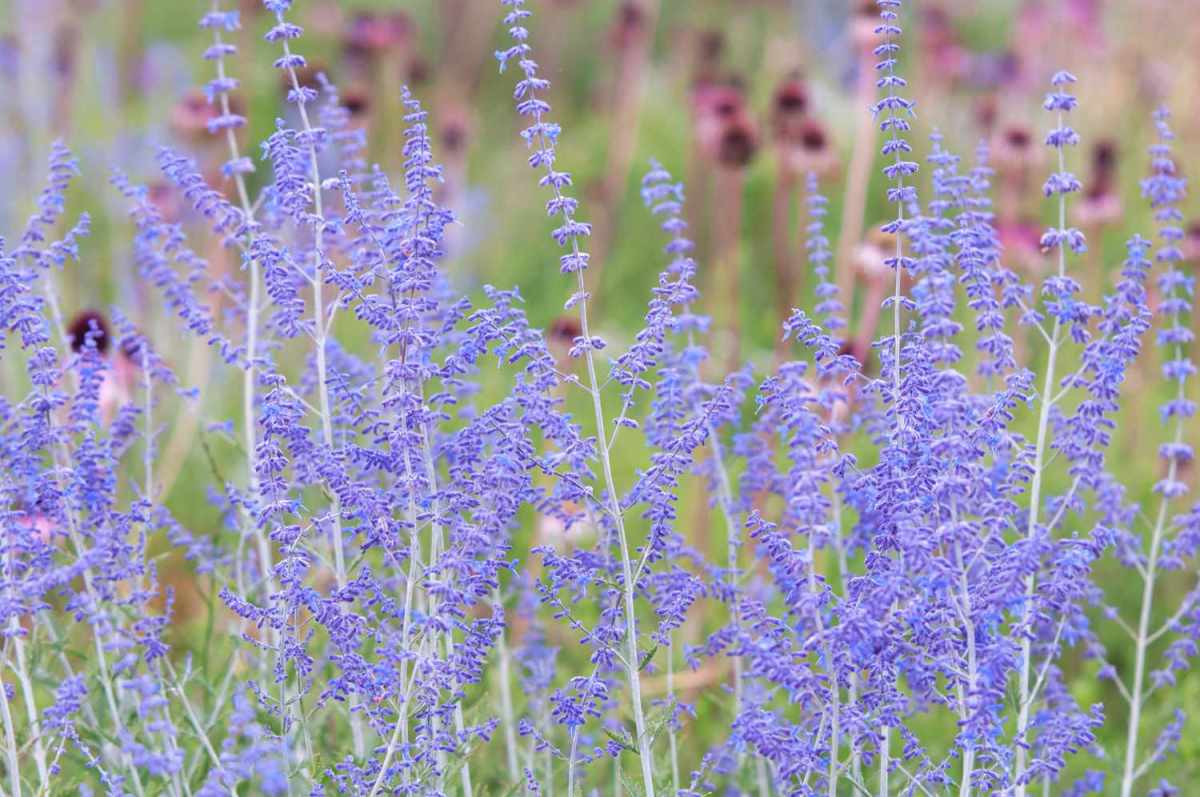
Discover the benefits and potential side effects of the Russian Blue Sage plant. Learn about its antioxidant, anti-inflammatory, and antimicrobial properties, as well as its uses in culinary and medicinal applications.
The Russian Blue Sage plant (Salvia azurea), also known as Blue Sage or Azure Sage, is a perennial herb renowned for its striking blue flowers and a plethora of health benefits. This herb, belonging to the mint family, has been used traditionally for various medicinal purposes. In this comprehensive article, we explore the numerous benefits of the Russian Blue Sage plant, along with its potential side effects.
Introduction to Russian Blue Sage
Russian Blue Sage is native to North America and thrives in a variety of climates. This hardy plant is not only appreciated for its aesthetic appeal but also for its medicinal properties. The plant grows tall with slender stems and features bright blue flowers that bloom in late summer to early fall.
Nutritional Composition
The leaves and flowers of the Russian Blue Sage plant are rich in essential nutrients and bioactive compounds. These include:
- Flavonoids
- Phenolic acids
- Tannins
- Essential oils
- Vitamin C
- Vitamin A
These compounds contribute to the plant’s medicinal properties, making it a valuable addition to herbal medicine.
Health Benefits of Russian Blue Sage
1. Antioxidant Properties
Russian Blue Sage is packed with antioxidants, which help combat oxidative stress in the body. Oxidative stress can lead to chronic diseases such as cancer, diabetes, and heart disease. The antioxidants present in Russian Blue Sage, including flavonoids and phenolic acids, neutralize free radicals and reduce inflammation.
2. Anti-Inflammatory Effects
The plant exhibits significant anti-inflammatory properties. Compounds like rosmarinic acid and caffeic acid found in Russian Blue Sage have been shown to reduce inflammation, making it beneficial for conditions like arthritis and inflammatory bowel disease.
3. Antimicrobial Activity
Russian Blue Sage has potent antimicrobial properties. The essential oils derived from this plant have been shown to inhibit the growth of various bacteria and fungi, making it useful in treating infections and preventing microbial growth.
4. Digestive Health
This herb is known to support digestive health. It can help alleviate symptoms of indigestion, bloating, and gas. The tannins and essential oils in Russian Blue Sage promote healthy digestion and soothe the gastrointestinal tract.
5. Respiratory Support
Russian Blue Sage is often used to support respiratory health. It can help relieve symptoms of colds, coughs, and bronchitis. The plant’s expectorant properties assist in clearing mucus from the respiratory tract, providing relief from congestion.
6. Cognitive Function
Emerging research suggests that Russian Blue Sage may enhance cognitive function. The antioxidants and anti-inflammatory compounds in the plant can protect brain cells from damage and improve memory and concentration.
Potential Side Effects of Russian Blue Sage
While Russian Blue Sage offers numerous health benefits, it is important to be aware of potential side effects. These include:
1. Allergic Reactions
Some individuals may experience allergic reactions to Russian Blue Sage. Symptoms can include skin rashes, itching, and swelling. It is recommended to perform a patch test before using the herb topically.
2. Gastrointestinal Issues
In some cases, consuming Russian Blue Sage in large amounts can lead to gastrointestinal issues such as nausea, vomiting, and diarrhea. It is important to use the herb in moderation and consult with a healthcare provider if any adverse effects occur.
3. Drug Interactions
Russian Blue Sage may interact with certain medications, including blood thinners and drugs metabolized by the liver. It is crucial to consult with a healthcare professional before using Russian Blue Sage if you are taking any medications.
4. Pregnancy and Breastfeeding
There is limited research on the safety of Russian Blue Sage during pregnancy and breastfeeding. It is advisable to avoid using this herb during these periods unless recommended by a healthcare provider.
Culinary Uses
Beyond its medicinal uses, Russian Blue Sage can also be used in the kitchen. The leaves and flowers add a unique flavor to dishes and can be used fresh or dried. They are often incorporated into:
- Teas
- Salads
- Soups
- Herbal infusions
The mild, slightly peppery taste of Russian Blue Sage makes it a versatile herb in culinary applications.
Growing and Harvesting Russian Blue Sage
Growing Conditions
Russian Blue Sage thrives in well-drained soil and requires full sun to partial shade. It is a drought-tolerant plant, making it suitable for xeriscaping. Regular watering during the growing season ensures healthy growth.
Harvesting
The leaves and flowers of the Russian Blue Sage plant can be harvested throughout the growing season. For optimal potency, it is best to harvest in the morning after the dew has dried but before the heat of the day sets in.
FAQs About Russian Blue Sage Plant Benefits and Side Effects
Q – What are the primary health benefits of the Russian Blue Sage plant?
Ans – The Russian Blue Sage plant offers numerous health benefits, including antioxidant, anti-inflammatory, and antimicrobial properties. It supports digestive health, respiratory health, and may enhance cognitive function.
Q – Can Russian Blue Sage cause any side effects?
Ans – Yes, potential side effects of Russian Blue Sage include allergic reactions, gastrointestinal issues, and possible interactions with certain medications. It is advisable to use it in moderation and consult a healthcare provider if you experience any adverse effects.
Q – Is Russian Blue Sage safe to use during pregnancy and breastfeeding?
Ans – There is limited research on the safety of Russian Blue Sage during pregnancy and breastfeeding. It is recommended to avoid using this herb during these periods unless advised by a healthcare provider.
Q – How can I use Russian Blue Sage in cooking?
Ans – Russian Blue Sage can be used in various culinary applications, including teas, salads, soups, and herbal infusions. The leaves and flowers add a unique, slightly peppery flavor to dishes.
Q – What are the ideal growing conditions for Russian Blue Sage?
Ans – Russian Blue Sage thrives in well-drained soil and requires full sun to partial shade. It is drought-tolerant and should be watered regularly during the growing season for optimal growth.
See Also – Moringa and Lemongrass Tea Benefits for Weight Loss
See Also – Planting Creeping Thyme Seeds: A Comprehensive Guide for a Thriving Garden
See Also – What is a Substitute for Mexican Oregano?