
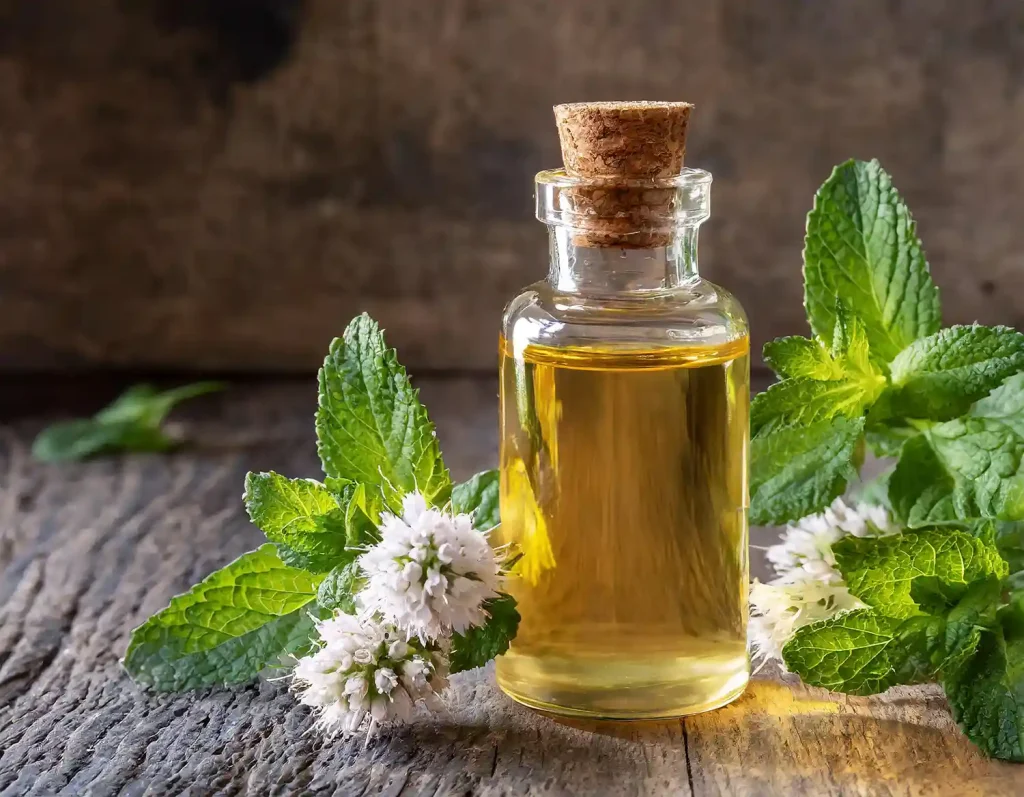
Peppermint oil, derived from the leaves of the peppermint plant, has been used for centuries for its medicinal and therapeutic properties. This essential oil is renowned for its refreshing aroma and a wide range of health benefits. However, like any natural remedy, it is important to be aware of its potential side effects. In this comprehensive article, we will delve into the numerous benefits of peppermint oil and also discuss its possible adverse effects.
Benefits of Peppermint Oil
1. Relieves Headaches and Migraines
Peppermint oil is widely recognized for its ability to alleviate headaches and migraines. The menthol in peppermint oil has a cooling effect that helps to relax muscles and ease pain. Applying diluted peppermint oil to the temples and forehead can provide quick relief from tension headaches.
2. Improves Digestive Health
Peppermint oil has been used traditionally to treat various digestive issues. It helps to relieve symptoms of irritable bowel syndrome (IBS), such as bloating, gas, and stomach cramps. Peppermint oil capsules are often recommended as a natural remedy for IBS, as they help to relax the muscles of the gastrointestinal tract.
3. Enhances Respiratory Function
Inhaling peppermint oil can help to clear nasal congestion and improve respiratory function. The menthol in peppermint oil acts as a natural decongestant and can provide relief from symptoms of colds, allergies, and sinusitis. Adding a few drops of peppermint oil to a diffuser or inhaling it directly can help to open up the airways and facilitate easier breathing.
4. Reduces Muscle and Joint Pain
Peppermint oil is effective in reducing muscle and joint pain due to its analgesic and anti-inflammatory properties. Applying diluted peppermint oil to sore muscles and joints can provide relief from pain and inflammation. It is particularly beneficial for individuals suffering from arthritis and other inflammatory conditions.
5. Promotes Hair Growth
Peppermint oil is beneficial for hair health and can promote hair growth. It helps to stimulate blood circulation to the scalp, which encourages hair follicles to grow. Additionally, peppermint oil has antimicrobial properties that help to keep the scalp clean and free from dandruff.
6. Boosts Energy and Mental Clarity
The invigorating aroma of peppermint oil can help to boost energy levels and enhance mental clarity. Inhaling peppermint oil can improve focus, concentration, and alertness. It is an excellent natural remedy for combating fatigue and mental exhaustion.
Side Effects of Peppermint Oil
While peppermint oil has many benefits, it is important to be aware of its potential side effects. Here are some of the common side effects associated with the use of peppermint oil:
1. Skin Irritation
Applying undiluted peppermint oil directly to the skin can cause irritation and allergic reactions in some individuals. It is important to dilute peppermint oil with a carrier oil, such as coconut oil or olive oil, before applying it to the skin. Conducting a patch test before using peppermint oil topically can help to prevent adverse reactions.
2. Heartburn and Gastroesophageal Reflux Disease (GERD)
Peppermint oil can relax the muscles of the esophagus, which can lead to heartburn and exacerbate symptoms of GERD. Individuals with GERD or a history of heartburn should avoid using peppermint oil internally.
3. Allergic Reactions
Some individuals may be allergic to peppermint oil and can experience symptoms such as rash, itching, and difficulty breathing. If you experience any allergic reactions after using peppermint oil, discontinue use immediately and seek medical attention.
4. Interaction with Medications
Peppermint oil can interact with certain medications, including antacids, blood pressure medications, and diabetes medications. It is important to consult with a healthcare provider before using peppermint oil if you are taking any medications.
5. Toxicity in High Doses
Consuming large amounts of peppermint oil can be toxic and may lead to symptoms such as nausea, vomiting, and dizziness. It is important to use peppermint oil in moderation and follow recommended dosages to avoid toxicity.
FAQs About Peppermint Oil Benefits and Side Effects
Q – Can peppermint oil really help with headaches?
Ans – Yes, peppermint oil is known for its headache-relieving properties. The menthol in peppermint oil provides a cooling effect that helps relax muscles and ease pain, making it an effective natural remedy for tension headaches and migraines.
Q – Is peppermint oil safe to use for digestive issues?
Ans – Peppermint oil is commonly used to treat digestive problems like irritable bowel syndrome (IBS). It helps relax the muscles of the gastrointestinal tract, reducing symptoms such as bloating, gas, and stomach cramps. However, individuals with GERD or chronic heartburn should avoid using it internally.
Q – How should I apply peppermint oil for muscle pain?
Ans – For muscle pain, dilute peppermint oil with a carrier oil, such as coconut or olive oil, and apply it to the affected area. The analgesic and anti-inflammatory properties of peppermint oil can help reduce pain and inflammation in sore muscles and joints.
Q – Can peppermint oil promote hair growth?
Ans – Yes, peppermint oil can stimulate blood circulation to the scalp, which may encourage hair growth. It also has antimicrobial properties that keep the scalp clean and free from dandruff. Mix a few drops of peppermint oil with a carrier oil and massage it into your scalp for best results.
Q – Are there any side effects of using peppermint oil?
Ans – While peppermint oil has many benefits, it can cause side effects like skin irritation, heartburn, allergic reactions, and potential interactions with certain medications. Always dilute peppermint oil before applying it to the skin and consult with a healthcare provider if you have any concerns or are taking medications.
See Also – Canned Cinnamon Rolls with Milk Instead of Heavy Cream