
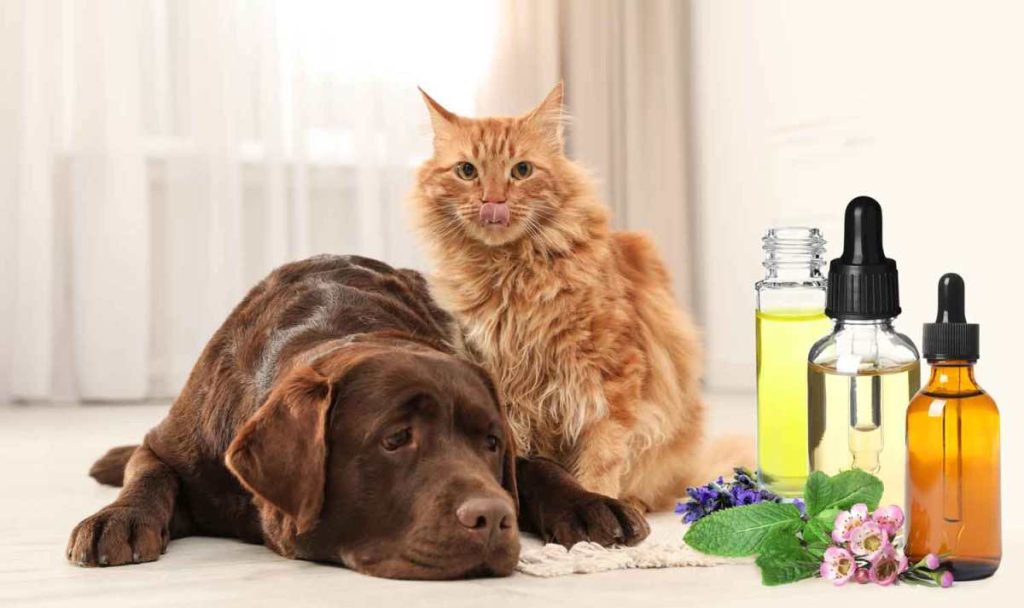
Is Lemongrass Oil Safe for Dogs and Cats to Smell – Lemongrass oil, known for its refreshing scent and benefits, can be hazardous for pets. Learn about its safe use, potential risks, and how to protect your dogs and cats from toxicity.
Introduction to Lemongrass Oil and Its Uses
Lemongrass oil, derived from the lemongrass plant (Cymbopogon citratus), has gained popularity for its refreshing scent and various health benefits. Commonly used in aromatherapy, skincare, and natural cleaning products, lemongrass oil is known for its antimicrobial, anti-inflammatory, and analgesic properties. However, as pet owners, it is crucial to understand whether this essential oil is safe for our furry friends to inhale.
Understanding Essential Oils and Pet Safety
Essential oils are highly concentrated plant extracts that can have potent effects on both humans and animals. While some essential oils can be beneficial, others may pose significant risks to pets. The metabolism of dogs and cats differs from that of humans, making them more susceptible to the toxic effects of certain substances. Therefore, it is imperative to investigate the safety of lemongrass oil for our pets.
Lemongrass Oil: Potential Benefits for Pets
1. Natural Insect Repellent
Lemongrass oil is renowned for its insect-repelling qualities. It can help deter mosquitoes, fleas, and ticks, which are common pests that can cause discomfort and health issues in pets. Using lemongrass oil in a diluted form may offer a natural alternative to chemical-based insect repellents.
2. Aromatherapy for Anxiety and Stress Relief
Aromatherapy using essential oils like lemongrass oil can help alleviate anxiety and stress in pets. The calming scent of lemongrass oil may create a soothing environment for dogs and cats, especially during stressful situations such as thunderstorms, fireworks, or vet visits.
Risks and Precautions of Lemongrass Oil for Pets
1. Toxicity Concerns
While lemongrass oil is generally safe for humans, it can be toxic to pets if not used properly. The primary concern is the high concentration of citral and geraniol, compounds that can cause adverse reactions in dogs and cats. Ingestion or prolonged exposure to lemongrass oil can lead to symptoms such as vomiting, diarrhea, drooling, and lethargy.
2. Sensitivity to Strong Scents
Pets, especially cats, have a heightened sense of smell. Strong scents like lemongrass oil can overwhelm their olfactory senses, leading to discomfort or respiratory distress. It is essential to use lemongrass oil in well-ventilated areas and to monitor pets for any signs of distress.
Safe Use of Lemongrass Oil Around Pets
1. Dilution is Key
To ensure the safety of lemongrass oil for pets, always dilute the oil with a carrier oil such as coconut oil or almond oil. A safe dilution ratio is typically 1-2 drops of lemongrass oil per tablespoon of carrier oil. This reduces the potency and minimizes the risk of adverse reactions.
2. Limited Exposure
Limit your pets’ exposure to lemongrass oil by using it sparingly and in moderation. Avoid applying the oil directly to your pets’ skin or fur. Instead, use diffusers or sprays in areas where your pets do not spend prolonged periods.
3. Avoid Ingestion
Never allow your pets to ingest lemongrass oil. Ensure that any products containing lemongrass oil, such as cleaning agents or skincare products, are stored out of reach of curious pets.
Signs of Lemongrass Oil Toxicity in Pets
1. Gastrointestinal Upset
If your pet ingests lemongrass oil, they may exhibit symptoms such as vomiting, diarrhea, and abdominal pain. These signs indicate that the oil is irritating their digestive system and requires immediate veterinary attention.
2. Respiratory Distress
Inhalation of concentrated lemongrass oil can cause respiratory issues in pets, especially cats. Signs of respiratory distress include coughing, wheezing, and difficulty breathing. If you notice any of these symptoms, remove your pet from the area and seek veterinary care.
3. Neurological Symptoms
In severe cases, lemongrass oil toxicity can affect the nervous system, leading to symptoms such as tremors, seizures, and disorientation. These symptoms require urgent veterinary intervention to prevent further complications.
Consulting Your Veterinarian
Before introducing any new essential oils into your home, it is always best to consult with your veterinarian. They can provide personalized advice based on your pets’ health status and any pre-existing conditions. Your vet can also recommend safe alternatives and guide you on the proper use of essential oils around your pets.
See Also – Moringa and Lemongrass Tea Benefits for Weight Loss
See Also – Parsley Substitute for Cilantro
See Also – What to Do with Fresh Oregano Leaves