
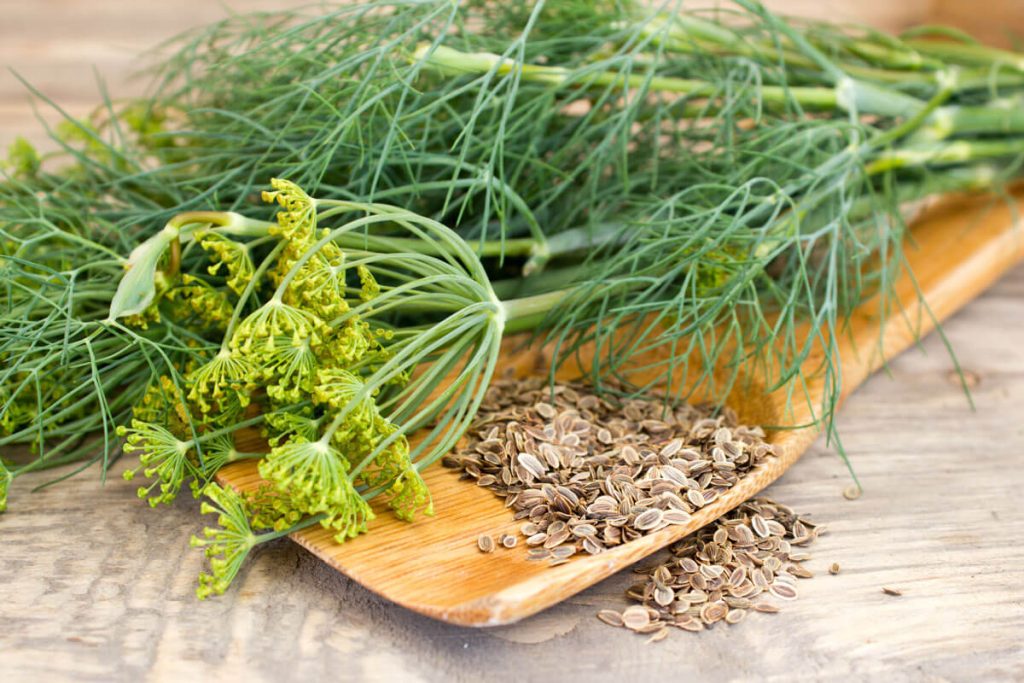
Learn how to harvest and keep dill fresh with our post. Discover optimal growing conditions, best harvesting techniques, and effective storage methods to enjoy dill year-round.
What is Dill
Dill (Anethum graveolens) is a versatile herb known for its feathery leaves and distinctive flavor. Commonly used in cooking, particularly in pickling, dill adds a unique taste to a variety of dishes. Growing and harvesting dill can be a rewarding experience, and with the right techniques, you can keep your dill fresh for an extended period.
Growing Dill: The Basics
Optimal Growing Conditions
To ensure a bountiful harvest, dill should be grown in optimal conditions. Dill thrives in full sunlight and well-drained soil. It prefers slightly acidic to neutral soil with a pH between 5.5 and 7.0. Ensure the planting area receives at least six to eight hours of sunlight daily.
Planting Dill
Dill can be grown from seeds or transplants. For the best results, sow dill seeds directly into the garden after the last frost. Plant the seeds about a quarter-inch deep and one to two inches apart. Once the seedlings are a few inches tall, thin them to stand about 12 inches apart. This spacing allows for proper air circulation and prevents overcrowding.
Harvesting Dill: Learn Step-by-Step
When to Harvest Dill
Dill can be harvested at different stages depending on the intended use. For fresh dill leaves, the best time to harvest is just as the flower buds are forming but before they open. This stage ensures the leaves are tender and flavorful. For dill seeds, wait until the flower heads turn brown and the seeds are fully developed.
How to Harvest Dill Leaves
- Select the Right Tools: Use sharp scissors or pruning shears to avoid damaging the plant.
- Choose the Right Time: Harvest in the morning after the dew has dried but before the heat of the day. This timing helps preserve the essential oils and flavor of the dill.
- Cut the Leaves: Trim the outer leaves first, cutting them close to the stem. Avoid cutting more than one-third of the plant at a time to ensure continued growth.
- Regular Harvesting: Regularly harvesting the leaves encourages the plant to produce more foliage and delays flowering.
How to Harvest Dill Seeds
- Wait for Maturity: Allow the flower heads to turn brown and the seeds to become fully developed.
- Cut the Flower Heads: Use sharp scissors or pruning shears to cut the flower heads from the plant.
- Dry the Seeds: Place the flower heads in a paper bag and hang them upside down in a cool, dry place. After a week or two, the seeds will fall into the bag.
Keeping Dill Fresh: Best Practices
Storing Fresh Dill Leaves
- Refrigeration: Wrap the fresh dill leaves in a damp paper towel and place them in a plastic bag. Store the bag in the refrigerator. This method keeps the dill fresh for about a week.
- Water Method: Place the dill stems in a glass of water, similar to a bouquet of flowers. Cover the leaves with a plastic bag and store them in the refrigerator. Change the water every few days. This method can keep the dill fresh for up to two weeks.
Freezing Dill
- Blanching: Blanch the dill leaves by dipping them in boiling water for a few seconds, then quickly transferring them to an ice water bath.
- Drying: Pat the leaves dry with a paper towel.
- Freezing: Place the dried leaves in a single layer on a baking sheet and freeze them. Once frozen, transfer the dill leaves to a resealable plastic bag or airtight container. Frozen dill can be kept for several months.
Drying Dill
- Air Drying: Bundle several dill stems together and hang them upside down in a cool, dry place with good air circulation. Once the leaves are dry and crumbly, remove them from the stems and store them in an airtight container.
- Oven Drying: Spread the dill leaves on a baking sheet and dry them in the oven at the lowest temperature setting. Keep the oven door slightly open to allow moisture to escape. Once the leaves are dry, store them in an airtight container.
Using Dill in Cooking
Dill is a versatile herb that enhances the flavor of many dishes. Here are some popular uses:
1. Pickling
Dill is a key ingredient in pickling, imparting its distinctive flavor to pickles and other preserved vegetables.
2. Sauces and Dressings
Add fresh or dried dill to sauces, dressings, and marinades for a burst of flavor. Dill pairs well with yogurt, sour cream, and mayonnaise-based sauces.
3. Seafood Dishes
Dill complements seafood exceptionally well. Use it in recipes for salmon, shrimp, and crab to enhance the natural flavors of the seafood.
4. Salads
Sprinkle fresh dill over salads for an added layer of flavor. It pairs well with cucumber, tomato, and potato salads.
See Also – The Health Benefits of Homemade Ginger Shots
See Also – How to Make Rosemary Water for Hair from Fresh Rosemary
See Also – What is a Substitute for Mexican Oregano?