
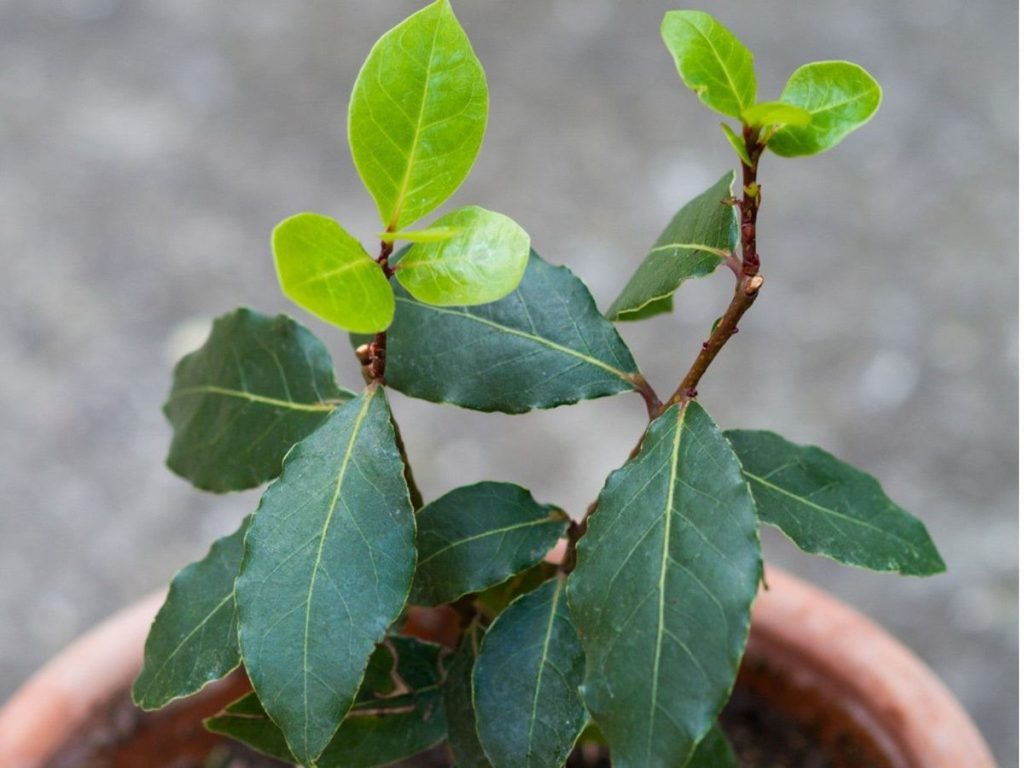
Learn how to grow a bay leaf plant at home from seed from this post. Discover tips on seed preparation, planting, care, and harvesting for a thriving bay tree. Perfect for gardeners and culinary enthusiasts.
Growing a bay leaf plant (Laurus nobilis) at home can be a rewarding experience, offering fresh leaves for culinary use and adding a touch of greenery to your indoor or outdoor garden. While bay leaf plants can be propagated through cuttings, growing them from seed is a viable option that requires patience and attention to detail. This comprehensive guide will walk you through the steps to successfully cultivate a bay leaf plant from seed.
Selecting and Preparing Bay Leaf Seeds
The first step in growing a bay leaf plant from seed is selecting high-quality seeds. Bay leaf seeds can be purchased from reputable nurseries or online stores. It’s crucial to choose fresh seeds, as their viability decreases over time.
- Soaking the Seeds: Before planting, soak the seeds in warm water for 24 hours. This helps to soften the seed coat and promotes germination.
- Stratification: Bay leaf seeds benefit from stratification, a process of exposing seeds to a period of cold temperatures to break dormancy. Place the soaked seeds in a plastic bag with a moist paper towel and refrigerate for 1-2 months.
Planting Bay Leaf Seeds
Once the seeds have undergone stratification, they are ready to be planted.
- Choosing the Right Soil: Use a well-draining potting mix, ideally a combination of peat moss, perlite, and vermiculite. This mixture provides the necessary aeration and moisture retention for seed germination.
- Planting Depth: Sow the seeds about 1/4 inch deep in the soil. Cover them lightly and mist the soil to ensure it remains moist but not waterlogged.
- Container Selection: Plant the seeds in small pots or seed trays. Ensure the containers have drainage holes to prevent water accumulation, which can lead to root rot.
Germination and Early Growth
Bay leaf seeds are known for their slow germination process, often taking several weeks to a few months to sprout.
- Light and Temperature: Place the pots in a warm, bright location with indirect sunlight. A temperature range of 70-75°F (21-24°C) is ideal for germination.
- Humidity: Maintain high humidity levels around the seeds by covering the pots with a plastic dome or placing them in a humidity tray. This helps to keep the soil consistently moist.
- Watering: Regularly mist the soil to maintain moisture without overwatering. It’s essential to avoid letting the soil dry out completely.
Transplanting Seedlings
Once the seeds have germinated and the seedlings have developed a few sets of true leaves, they are ready to be transplanted.
- Hardening Off: Gradually acclimate the seedlings to outdoor conditions by exposing them to direct sunlight for a few hours each day over a week.
- Transplanting: Choose a larger pot or a spot in your garden with well-draining soil. Dig a hole large enough to accommodate the root ball and plant the seedling at the same depth it was in the pot.
- Spacing: If planting multiple bay leaf plants, space them at least 5 feet apart to allow room for growth.
Caring for Bay Leaf Plants
Bay leaf plants require ongoing care to thrive and produce aromatic leaves.
- Watering: Water the plants regularly, ensuring the soil remains moist but not waterlogged. Established plants are drought-tolerant but will benefit from consistent watering during dry periods.
- Fertilizing: Feed the plants with a balanced, slow-release fertilizer in spring and mid-summer. Avoid over-fertilizing, as this can lead to excessive foliage growth with reduced flavor.
- Pruning: Prune the plants to maintain their shape and encourage bushier growth. Remove any dead or damaged leaves and branches.
- Pest and Disease Management: Bay leaf plants are relatively pest-resistant. However, keep an eye out for common pests like scale insects and spider mites. Use neem oil or insecticidal soap to manage infestations.
Harvesting Bay Leaves
Once your bay leaf plant has matured, typically after a couple of years, you can start harvesting the leaves.
- Harvesting Technique: Pick the leaves individually or cut entire branches if needed. The best time to harvest is in the morning when the leaves contain the highest concentration of essential oils.
- Drying Leaves: If you wish to dry the leaves, spread them out in a single layer on a drying rack in a cool, dark, and well-ventilated area. Store dried leaves in an airtight container away from direct sunlight.
FAQs on How to Grow Bay Leaf Plant at Home from Seed
Q – How long does it take for bay leaf seeds to germinate?
Ans – Bay leaf seeds typically take 1 to 2 months to germinate. Patience is key, as they require a warm and humid environment to sprout successfully.
Q – What type of soil is best for growing bay leaf plants from seed?
Ans – Bay leaf plants thrive in well-draining, sandy loam soil. Ensure the soil is slightly acidic to neutral (pH 6.0-7.0) for optimal growth.
Q – How often should I water my bay leaf plant?
Ans – Water your bay leaf plant moderately, allowing the top inch of soil to dry out between waterings. Overwatering can lead to root rot, so ensure good drainage.
Q – Can bay leaf plants be grown indoors?
Ans – Yes, bay leaf plants can be grown indoors in a sunny spot with at least 6 hours of direct sunlight daily. Use a large pot to accommodate their root system and ensure good air circulation.
Q – When can I start harvesting bay leaves?
Ans – You can start harvesting bay leaves once the plant is established, typically after 2 years. Pick mature leaves as needed, and the plant will continue to produce fresh foliage.
See Also – What to Do with Fresh Oregano Leaves
See Also – Moringa and Lemongrass Tea Benefits for Weight Loss
See Also – Planting Creeping Thyme Seeds