
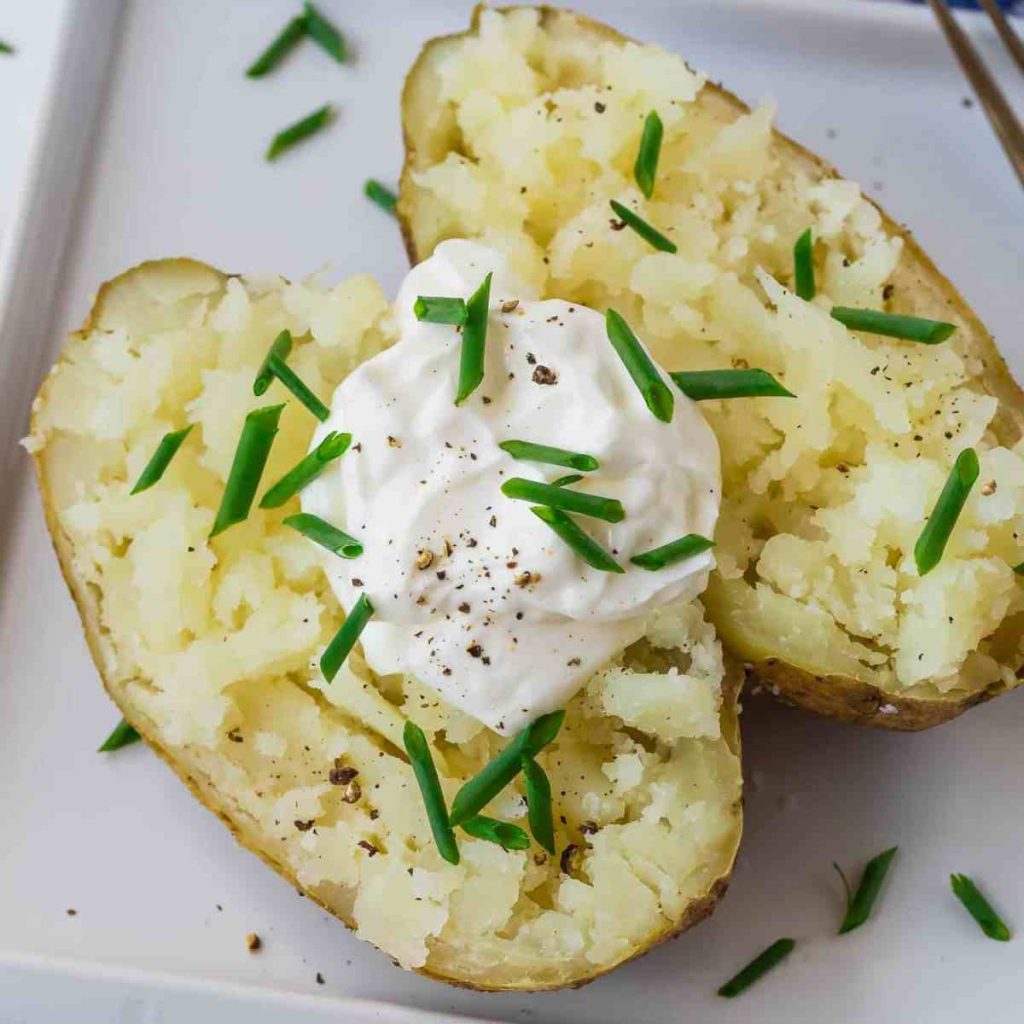
Discover the nutritional differences between green onions and chives on baked potatoes. Learn which herb offers more vitamins, minerals, and antioxidants to boost your meal’s flavor and health benefits.
When it comes to enhancing the flavor and nutritional profile of baked potatoes, green onions and chives are two popular choices. Both of these aromatic herbs bring a unique taste and a wealth of nutrients to dishes, but they have distinct characteristics and nutritional benefits. In this comprehensive article, we delve deep into the differences and benefits of green onions and chives, focusing specifically on their impact on baked potato nutrition.
Introduction to Green Onions and Chives
Green onions, also known as scallions or spring onions, are a versatile ingredient commonly used in various cuisines. They have a mild, slightly sweet flavor and can be eaten raw or cooked. Green onions are characterized by their long, green stalks and small white bulbs.
Chives, on the other hand, are a member of the onion family but are much milder in flavor. They are often used as a garnish due to their delicate, onion-like taste and bright green color. Chives are smaller and more delicate than green onions, with thin, tubular leaves.
Nutritional Comparison
Vitamins and Minerals
Green onions and chives both offer an impressive array of vitamins and minerals, but there are some differences worth noting.
- Green Onions: These are a rich source of vitamin K, vitamin C, and vitamin A. They also provide a good amount of folate, potassium, and fiber. One cup of chopped green onions (about 100 grams) contains approximately:
- 31 calories
- 7 grams of carbohydrates
- 1 gram of protein
- 3 grams of dietary fiber
- 276 micrograms of vitamin K (230% of the Daily Value)
- 20.2 milligrams of vitamin C (22% of the Daily Value)
- 3,000 IU of vitamin A (60% of the Daily Value)
- Chives: Chives are also packed with essential nutrients, particularly vitamin K, vitamin C, and folate. One cup of chopped chives (about 30 grams) contains approximately:
- 10 calories
- 1 gram of carbohydrates
- 1 gram of protein
- 1 gram of dietary fiber
- 258 micrograms of vitamin K (215% of the Daily Value)
- 8.4 milligrams of vitamin C (9% of the Daily Value)
- 2,856 IU of vitamin A (57% of the Daily Value)
Antioxidants
Both green onions and chives are rich in antioxidants, which help combat oxidative stress in the body and can reduce the risk of chronic diseases. Green onions contain compounds like quercetin and kaempferol, which have been shown to have anti-inflammatory and anti-cancer properties. Chives contain similar antioxidants, including allicin, which is known for its antimicrobial and anti-inflammatory effects.
Health Benefits
Bone Health
The high vitamin K content in both green onions and chives plays a crucial role in bone health. Vitamin K is essential for the synthesis of proteins involved in bone mineralization, helping to maintain bone density and reduce the risk of fractures.
Immune Support
Vitamin C is well-known for its immune-boosting properties. Both green onions and chives provide a significant amount of vitamin C, which can enhance the immune system’s ability to fight off infections and illnesses.
Digestive Health
Dietary fiber is another key nutrient found in both green onions and chives. Fiber aids in digestion by promoting regular bowel movements and preventing constipation. It also supports a healthy gut microbiome, which is essential for overall digestive health.
Culinary Uses and Flavor Profile
Green Onions on Baked Potatoes
Green onions bring a mild, sweet flavor to baked potatoes, making them a popular topping. They can be added raw for a fresh, crisp texture or sautéed for a more mellow taste. The green tops and white bulbs can both be used, offering a versatile option for various dishes. The texture and flavor of green onions complement the creamy texture of baked potatoes, adding both visual appeal and a nutritional boost.
Chives on Baked Potatoes
Chives are often used as a garnish due to their delicate flavor and vibrant color. When added to baked potatoes, they provide a subtle onion-like taste without overpowering the dish. Chives are best used fresh, as cooking can diminish their flavor. They are typically snipped with scissors and sprinkled over the potatoes just before serving, offering a beautiful presentation and a burst of nutrients.
Best Practices for Using Green Onions and Chives
Storage Tips
To maximize the freshness and nutritional value of green onions and chives, proper storage is essential.
- Green Onions: Store green onions in the refrigerator. Wrap them in a damp paper towel and place them in a plastic bag or container. They can last for up to a week when stored this way.
- Chives: Chives should also be stored in the refrigerator. Place them in a plastic bag or container, and they can last for up to two weeks. Chives can also be frozen for longer storage, though this may affect their texture.
Preparation Tips
- Green Onions: Wash thoroughly to remove any dirt. Trim the roots and remove any wilted outer layers. Both the green tops and white bulbs can be used in recipes.
- Chives: Rinse gently and pat dry. Use scissors to snip the chives into small pieces. Avoid using a knife, as this can bruise the delicate leaves.
FAQs About Green Onions vs Chives on Baked Potato Nutrition
Q – What are the main nutritional differences between green onions and chives?
Ans – Green onions are higher in calories and provide more vitamin C and dietary fiber compared to chives. Chives, on the other hand, have slightly higher vitamin K content and are lower in calories.
Q – Can green onions and chives be used interchangeably in recipes?
Ans – While they can sometimes be substituted for each other, green onions have a stronger flavor and a more substantial texture, whereas chives offer a milder taste and a delicate texture. The choice depends on the desired flavor and presentation of the dish.
Q – How should I store green onions and chives to keep them fresh?
Ans – Green onions should be wrapped in a damp paper towel and stored in a plastic bag or container in the refrigerator. Chives should be placed in a plastic bag or container and kept in the refrigerator. Both can last up to a week for green onions and up to two weeks for chives when stored properly.
Q – Are there any health benefits to using green onions or chives on baked potatoes?
Ans – Yes, both green onions and chives are rich in vitamins, minerals, and antioxidants that contribute to bone health, immune support, and digestive health. They add not only flavor but also nutritional value to baked potatoes.
Q – Can I freeze green onions and chives for long-term storage?
Ans – Green onions can be chopped and frozen for later use, though their texture may change. Chives can also be frozen, but it’s best to use them fresh to maintain their delicate flavor and texture.
See Also – Parsley Substitute for Cilantro: Your Ultimate Guide
See Also – How to Dry Fresh Basil Leaves in the Microwave Oven
See Also – What to Do with Fresh Basil from the Kitchen Garden