
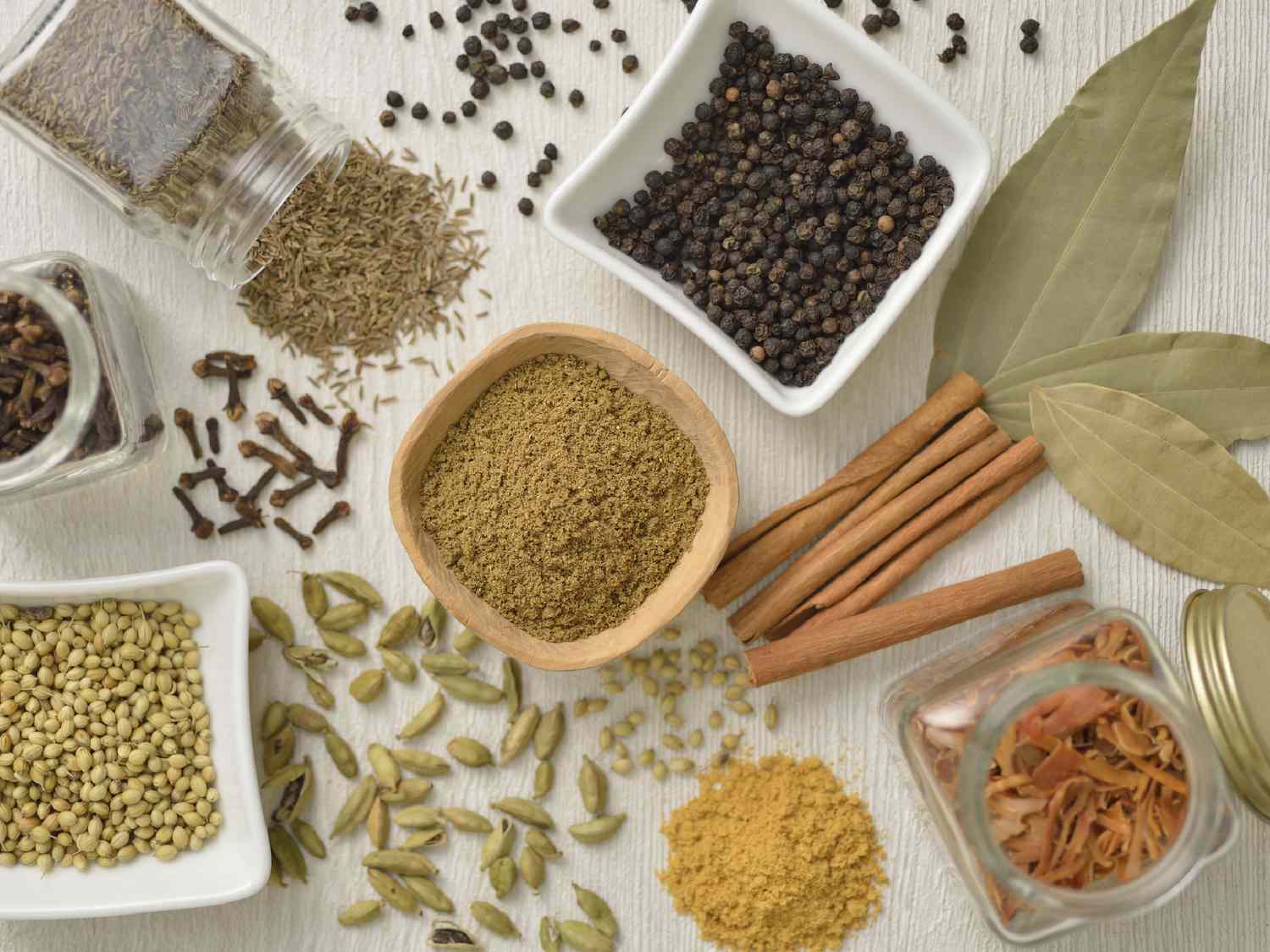

Discover the best 12 substitutes for cumin seasoning in curry to enhance your dish with unique and flavorful alternatives. From coriander seeds to Chinese five-spice powder, find the perfect replacement to elevate your curry recipes.
Cumin is a staple in many curry recipes, imparting a warm, earthy flavor that is essential to numerous dishes. However, there are times when cumin is not available, or a different flavor profile is desired. In such cases, finding a suitable substitute is crucial to maintaining the integrity and taste of the curry. Below, we explore 12 excellent substitutes for cumin seasoning in curry that can elevate your dish to new heights.
1. Coriander Seeds
Coriander seeds are an excellent substitute for cumin. They share a similar warm, earthy flavor but with a hint of citrus. To use coriander seeds as a substitute, simply grind them and use them in a 1:1 ratio. Coriander is particularly good in dishes where a slightly lighter and fresher taste is desired.
2. Caraway Seeds
Caraway seeds are another great alternative to cumin. They have a slightly sweet and peppery flavor that can mimic cumin’s earthiness. Caraway seeds can be used whole or ground in a 1:1 ratio as a cumin substitute. They are especially effective in hearty, meaty curries.
3. Fennel Seeds
Fennel seeds offer a sweet, licorice-like flavor that can add a unique twist to your curry. While their taste is distinct from cumin, fennel seeds can provide an interesting and flavorful variation. Use ground fennel seeds in a 1:1 ratio, or toast them before grinding to enhance their flavor.
4. Garam Masala
Garam masala is a blend of several spices, including cumin, coriander, cardamom, cloves, and more. Using garam masala as a cumin substitute will introduce a more complex and aromatic flavor profile to your curry. Start with half the amount of garam masala compared to cumin and adjust to taste.
5. Chili Powder
Chili powder often contains cumin as one of its ingredients, along with chili peppers, garlic powder, and other spices. This makes it a convenient substitute that adds both heat and depth of flavor to your curry. Use chili powder in a 1:1 ratio, but be mindful of the additional heat it brings.
6. Paprika
Paprika comes in various forms, such as sweet, smoked, and hot. It lacks the earthy depth of cumin but provides a sweet and mildly spicy flavor that can complement many curry recipes. Use paprika in a 1:1 ratio and experiment with different types to find the best match for your dish.
7. Curry Powder
Curry powder is a blend of spices that typically includes cumin, turmeric, coriander, and more. It is a convenient substitute that can add complexity and richness to your curry. Start with half the amount of curry powder compared to cumin and adjust to taste, as curry powder can vary in potency.
8. Black Pepper
Black pepper is a versatile spice that can provide a sharp, pungent flavor to your curry. While it doesn’t mimic cumin’s earthiness, it adds a different kind of depth and heat. Use ground black pepper in a slightly smaller amount, starting with half the quantity and adjusting as needed.
9. Anise Seeds
Anise seeds have a sweet, licorice-like flavor that is more pronounced than fennel. While they don’t replicate cumin’s taste, they can offer an intriguing and aromatic alternative. Use ground anise seeds sparingly, starting with a quarter of the amount of cumin called for in the recipe.
10. Chinese Five-Spice Powder
Chinese five-spice powder is a blend of spices, including star anise, cloves, Chinese cinnamon, Sichuan peppercorns, and fennel seeds. It introduces a complex, slightly sweet, and spicy flavor profile that can be an interesting substitute for cumin. Start with a quarter of the amount and adjust to taste.
11. Ground Cloves
Ground cloves have a strong, sweet, and slightly bitter flavor that can add a unique twist to your curry. While they are quite different from cumin, ground cloves can provide an intense aromatic quality. Use them sparingly, starting with a small pinch and increasing as needed.
12. Allspice
Allspice offers a warm, sweet, and peppery flavor that is somewhat reminiscent of a combination of cloves, nutmeg, and cinnamon. It can add a rich and aromatic quality to your curry. Use allspice in small amounts, starting with a quarter of the quantity of cumin and adjusting to taste.
FAQs about Substitutes for Cumin Seasoning in Curry
Q – Can I use coriander powder as a direct substitute for cumin powder?
Ans – Yes, coriander powder can be used as a direct substitute for cumin powder in a 1:1 ratio. It offers a similar warm, earthy flavor with a hint of citrus.
Q – Will using fennel seeds change the taste of my curry significantly?
Ans – Fennel seeds have a sweet, licorice-like flavor that is different from cumin. While it will change the taste, it can add an interesting and unique twist to your curry.
Q – How should I adjust the quantity of garam masala when using it instead of cumin?
Ans – Start with half the amount of garam masala compared to the cumin called for in the recipe. Garam masala is a blend of spices and can be quite potent, so adjust to taste.
Q -Can black pepper be used as a cumin substitute without altering the curry’s flavor profile too much?
Ans -Black pepper adds a sharp, pungent flavor rather than cumin’s earthiness. It can be used, but start with a smaller amount, about half the quantity, and adjust to taste to avoid overpowering the dish.
Q -Is it necessary to toast spices like coriander or fennel seeds before using them as substitutes for cumin?
Ans – Toasting spices like coriander or fennel seeds can enhance their flavor, making them a more effective substitute for cumin. However, it’s not strictly necessary and depends on the flavor profile you desire for your curry.
See Also – The Benefits of Drinking Clove Water in the Morning for Weight Loss
See Also – How Much Minced Garlic Is One Clove?
See Also – Peppermint Oil Benefits and Side Effects
See Also –Canned Cinnamon Rolls with Milk Instead of Heavy Cream