
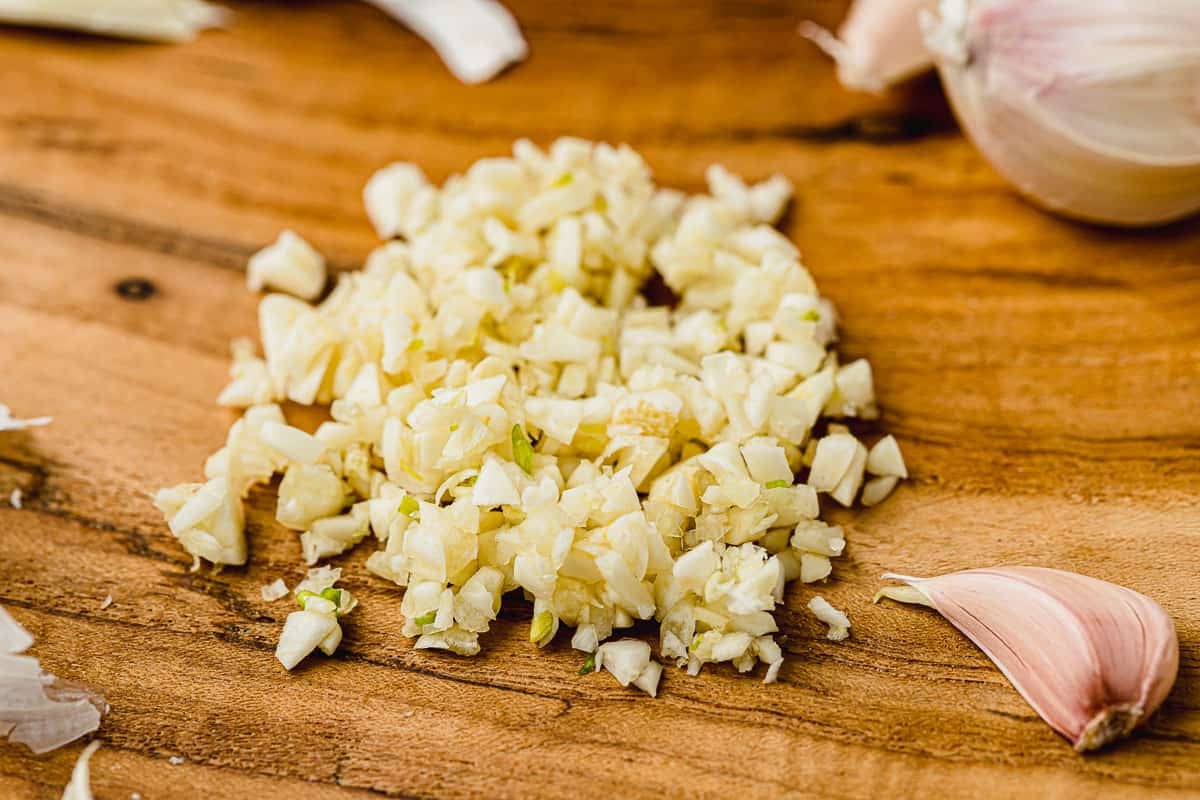
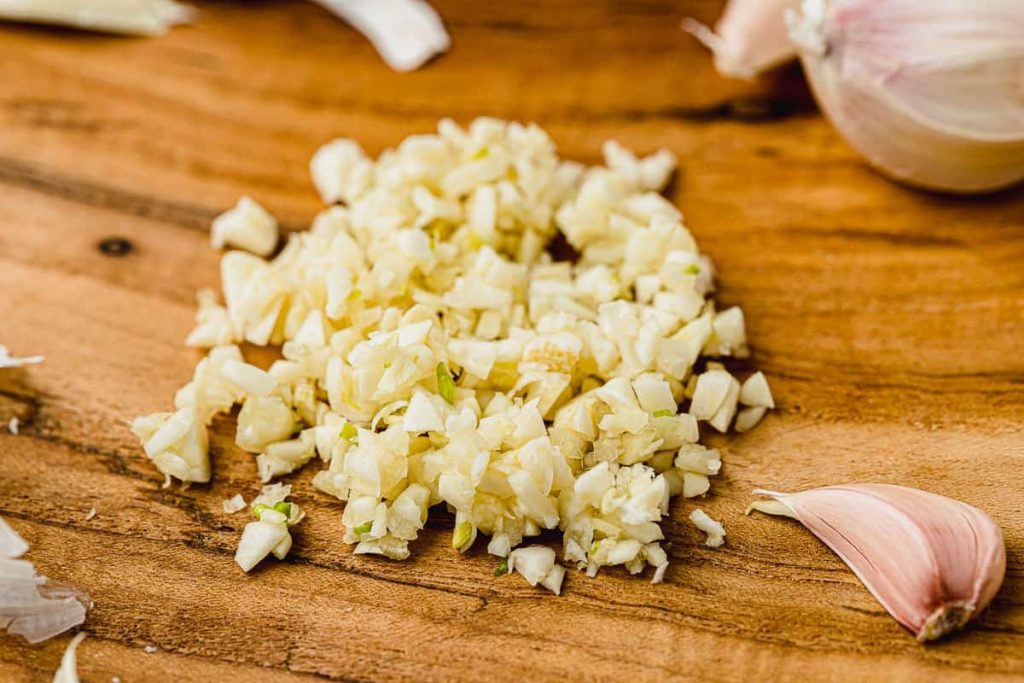
How Much Minced Garlic Is One Clove – Garlic is a staple ingredient in many kitchens around the world, prized for its distinctive flavor and numerous health benefits. When a recipe calls for a clove of garlic, it can sometimes be confusing to know exactly how much minced garlic that translates to, especially if you are using pre-minced garlic from a jar. In this article, we will explore the equivalent measurements of minced garlic to one clove, providing clarity for your culinary endeavors.
Understanding Garlic Cloves
A garlic bulb is composed of several individual cloves, each encased in a thin, papery skin. The size of garlic cloves can vary significantly, which impacts the amount of minced garlic produced from a single clove. Generally, cloves from different varieties of garlic, such as softneck and hardneck, may also differ in size and flavor intensity.
Average Size of a Garlic Clove
On average, a medium-sized garlic clove measures approximately 1 inch in length and 0.4 inches in diameter. This medium clove, when minced, usually yields about 1 teaspoon of minced garlic. However, it’s important to note that this measurement can vary slightly based on the size of the clove and how finely it is minced.
Converting Garlic Cloves to Minced Garlic
To make your cooking process more straightforward, here is a general guide to converting garlic cloves to minced garlic:
- 1 small clove of garlic = 1/2 teaspoon of minced garlic
- 1 medium clove of garlic = 1 teaspoon of minced garlic
- 1 large clove of garlic = 1.5 teaspoons of minced garlic
Using Pre-Minced Garlic
Pre-minced garlic is a convenient alternative to fresh garlic cloves, saving time and effort in the kitchen. When using jarred minced garlic, it’s important to understand the conversion to ensure your recipes turn out as intended. Most pre-minced garlic in jars is packed in water or oil, which can slightly dilute the potency compared to freshly minced garlic.
For jarred minced garlic, you can generally use the same conversion as fresh garlic:
- 1 teaspoon of jarred minced garlic = 1 medium clove of fresh garlic
Garlic Powder and Garlic Salt Substitutes
In some cases, you might find yourself without fresh or minced garlic but have garlic powder or garlic salt on hand. These can be used as substitutes, though the flavor profile will be somewhat different.
- 1/8 teaspoon of garlic powder = 1 medium clove of fresh garlic
- 1/4 teaspoon of garlic salt = 1 medium clove of fresh garlic (Note: garlic salt also contains salt, so adjust the salt in your recipe accordingly)
Health Benefits of Garlic
Garlic is not just a flavor powerhouse; it also offers numerous health benefits. It is rich in compounds like allicin, which has been shown to have antimicrobial and antioxidant properties. Regular consumption of garlic has been linked to:
- Improved cardiovascular health: Garlic helps reduce blood pressure and cholesterol levels.
- Boosted immune system: Garlic’s antimicrobial properties help fight off infections.
- Anti-inflammatory effects: The compounds in garlic can reduce inflammation in the body.
- Detoxification: Garlic helps in detoxifying heavy metals from the body.
Cooking Tips for Garlic
To maximize the flavor and health benefits of garlic in your cooking, consider these tips:
- Crushing or chopping garlic activates the enzyme alliinase, which converts alliin into allicin, the compound responsible for garlic’s potent aroma and health benefits.
- Let chopped or crushed garlic sit for 10 minutes before cooking to enhance the formation of allicin.
- Avoid burning garlic: Burnt garlic can taste bitter and lose its beneficial properties. Add garlic to your dishes towards the end of the cooking process or cook on low heat.
- Store garlic properly: Keep fresh garlic in a cool, dry place. Avoid storing it in the refrigerator, as it can become rubbery and sprout.
Garlic in Different Cuisines
Garlic is a versatile ingredient used in a variety of cuisines worldwide. Here are a few examples:
- Italian cuisine: Garlic is a key ingredient in pasta sauces, such as marinara and Alfredo, as well as in pesto and garlic bread.
- Asian cuisine: Garlic is essential in stir-fries, sauces, and marinades across Chinese, Thai, and Korean dishes.
- Mediterranean cuisine: Garlic features prominently in dishes like hummus, tzatziki, and various seafood preparations.
- Latin American cuisine: Garlic is used in salsas, sofrito, and meat rubs.
FAQs About Garlic Measurements
Q – How many teaspoons of minced garlic are in one clove?
Ans – A medium-sized garlic clove typically yields about 1 teaspoon of minced garlic. Smaller cloves may produce around 1/2 teaspoon, while larger cloves can yield up to 1.5 teaspoons.
Q – Can I use jarred minced garlic instead of fresh garlic cloves?
Ans – Yes, you can use jarred minced garlic as a substitute for fresh garlic cloves. Generally, 1 teaspoon of jarred minced garlic equals 1 medium clove of fresh garlic. However, the flavor may be slightly less potent than fresh garlic.
Q- What is the equivalent of garlic powder to fresh garlic?
Ans – If you need to substitute garlic powder for fresh garlic, use the following conversion: 1/8 teaspoon of garlic powder is approximately equal to 1 medium clove of fresh garlic. Adjust the quantity based on your taste preferences.
Q – How should I store garlic to keep it fresh?
Ans – Store whole garlic bulbs in a cool, dry, and dark place, such as a pantry. Avoid refrigerating whole bulbs, as this can cause them to sprout and become rubbery. Once a clove is cut or peeled, store it in the refrigerator and use it within a few days.
Q – Can I use garlic salt instead of fresh garlic in recipes?
Ans – Yes, garlic salt can be used as a substitute for fresh garlic, but keep in mind that it contains additional salt. Use the following conversion: 1/4 teaspoon of garlic salt is roughly equivalent to 1 medium clove of fresh garlic. Be sure to adjust the salt in your recipe accordingly to avoid over-salting.
See Also – How to Make Saffron Tea for Sleep Overnight
See Also –Peppermint Oil Benefits and Side Effects
See Also –Canned Cinnamon Rolls with Milk Instead of Heavy Cream